Goodbye Bouquet, Farewell
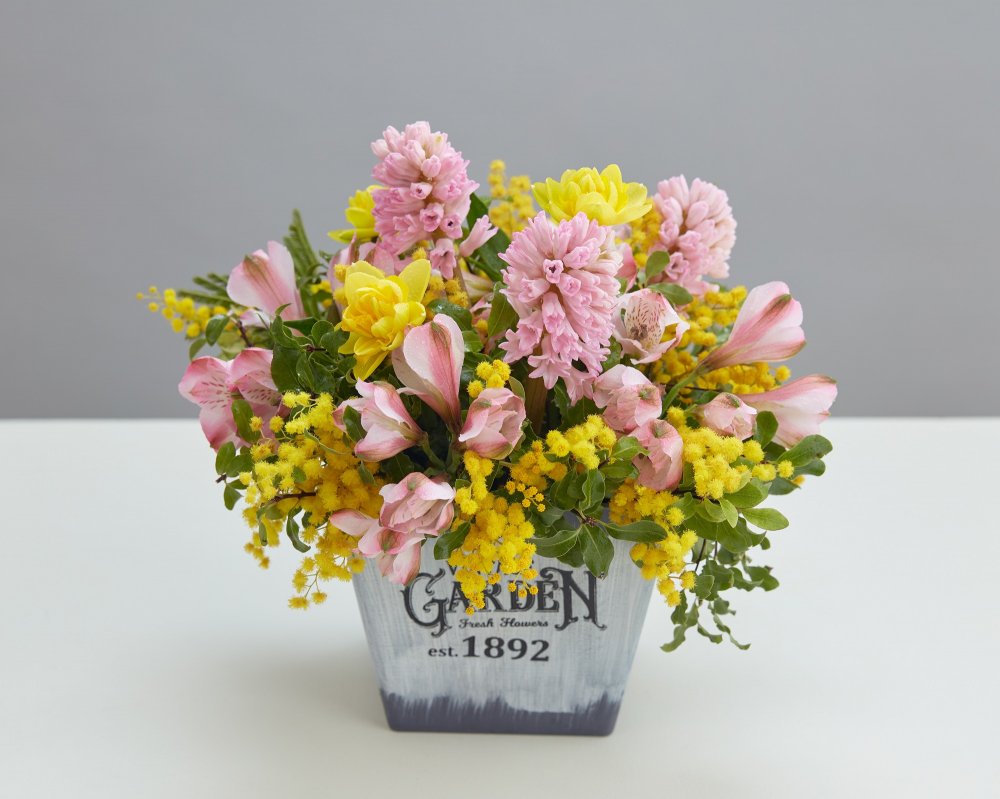
The path of love is full of ups and downs. It only takes one look to fall in love with someone, but not everyone can maintain and carry that feeling throughout their life. Sometimes love fails. Disappointments, hurts, misunderstandings, and lies bring their bitterness, hurts... it is necessary to end relationships that no longer bring joy. Whether it's romantic relationships or friendships, making the decision to end them can be difficult. Farewell is never easy.
For some people, giving a modest flower to a loved one is enough to show them your eternal love, while for others, a magnificent bouquet is specifically for parting ways. Unfortunately, there is no clear etiquette for giving flowers after a relationship has come to an end. Some believe that giving flowers when parting ways is not accepted or appropriate. For others, on the contrary, it is an elegant way to end relationships, respecting each other and the memories shared.
When saying goodbye, you can make a symbolic gesture with a bouquet or composition. Flowers have long been used to convey emotions and messages, and farewell is no exception. The type of flower you choose can have different meanings depending on culture, occasion, and personal relationships.
In the language of flowers, forget-me-nots are associated with parting by mutual agreement. Giving forget-me-nots literally means, "I no longer love you, but I have beautiful memories of our love." The name "forget-me-not" implies the idea of not forgetting someone even after they have gone.
Pink carnations mean "I will never forget you," while yellow carnations symbolize disappointment and sadness.
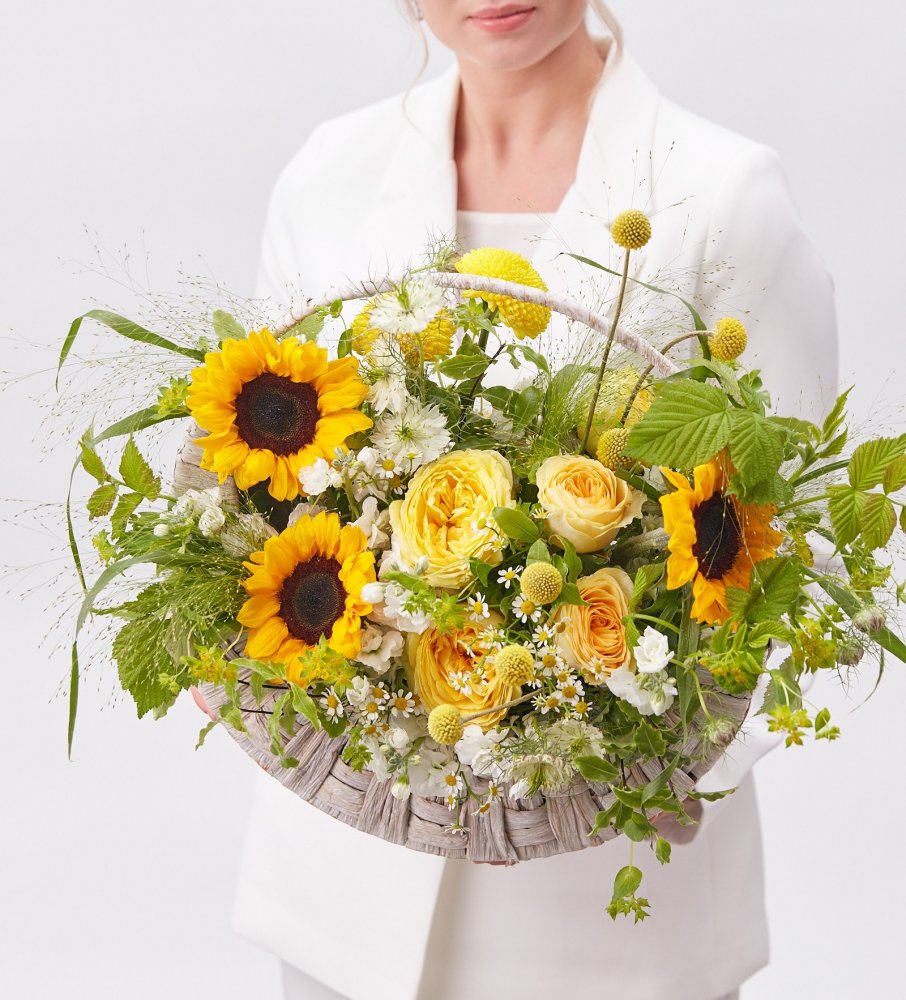
If you give someone a yellow rose after parting ways, it means you want to leave a good memory of your relationship. Due to the association with friendship, yellow roses imply, "Let's just be friends." This allows us to live in peace and without hard feelings. Therefore, yellow roses are often given when parting ways as a simple, special way to express gratitude and appreciation for the happy times spent together. The color of the rose also has a deeper, personal significance. It is said that a yellow rose conveys emotions of disappointment and farewell. It is also associated with jealousy, another reason it can be a "breakup rose."
White roses have also become associated with parting ways, usually representing lost hope for the future. A white rose can convey the idea that someone once loved has been replaced by cold emptiness and sadness.
Blue roses symbolize unrequited love. When you love someone but know they cannot be with you for some reason, a blue rose is perfect.
Black roses are usually associated with the end of relationships, foretelling a soon farewell. Just as the phrase "when one door closes, another opens," black roses can signify the end of an important period in your life but can also be a beautiful indicator of the beginning of something new.
If you want to approach parting with great compassion, choose chrysanthemums. In the language of flowers, they symbolize the fragility of feelings and convey a message about the end of relationships. If you offer light-colored chrysanthemums, you leave hope for future reconciliation in your relationship. Whereas dark shades will convey your intention to part ways permanently. The more powerful and darker the colors, the more official and unequivocal the farewell.
In some cultures, gloxinias symbolize pain and the sadness of parting. Reflecting the fickleness of the heart, unrest signifies the end of love relationships eroded by time and habits.
Purple hyacinths are often associated with feelings of sadness and regret. They seem to say, "I'm very sorry." A yellow hyacinth is a flower that is usually associated with unrequited or rejected love due to its symbolism of jealousy and betrayal.
However, yellow is also a symbol of liveliness, cheerfulness, and good mood, and it can be offered as a sign of love. Daffodils, for example, symbolize patience and love and are perfect flowers for forgiveness or a peaceful gesture.
Sweet pea
Departure, "Goodbye!", "Thank you for the wonderful time!" Mimosa symbolizes sensitivity or emotional pain. A yellow tulip expresses hopeless love, while a white one signifies forgiveness.
Anemone foreshadows separation between two people. It can be violet, white, or pink. If you want to modernly bid farewell to someone you have loved for years, wishing them luck, you can choose anemone. Pansies are often used as a symbol of a broken heart, representing the emotional pain of unrequited love. For example, red pansies traditionally symbolize passionate romantic love, while blue pansies can be used to denote feelings of sadness. Additionally, the combination of two colors together is believed to represent longing for a loved one that cannot be described in words.
The Greek word "amarysso," meaning "to sparkle," gave the name to amaryllis. Greek mythology states that the flower was created from the blood of Amaryllis. 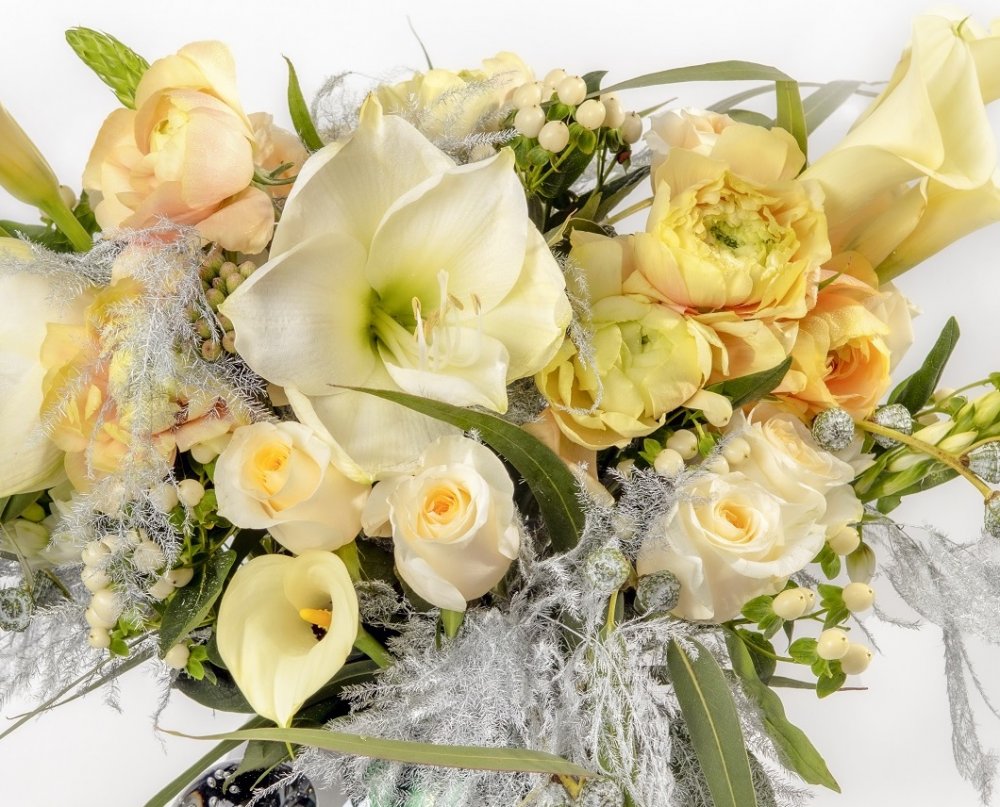
Amaryllis fell in love with Alteo, a charming shepherd with Herculean strength. She loved him unrequitedly, so she tried to win him over by giving him a special flower. Following the advice of the Delphic Oracle, Amaryllis went to Alteo's house for thirty days and each night pierced her heart with a golden arrow. On the thirty-first night, Alteo opened the door and saw stunning raspberry flowers growing from the blood of Amaryllis's heart. As a result, Alteo developed a romantic interest, and Amaryllis's heart was healed.
Unfortunately, people are accustomed to ending relationships dramatically, harshly, and painfully. But isn't it better to think that this difficult unpleasant moment can be softened by giving the person the opportunity to remember all the beauty that was experienced together with a bright, beautiful, unusual bouquet.