Flowers for Allergy Sufferers
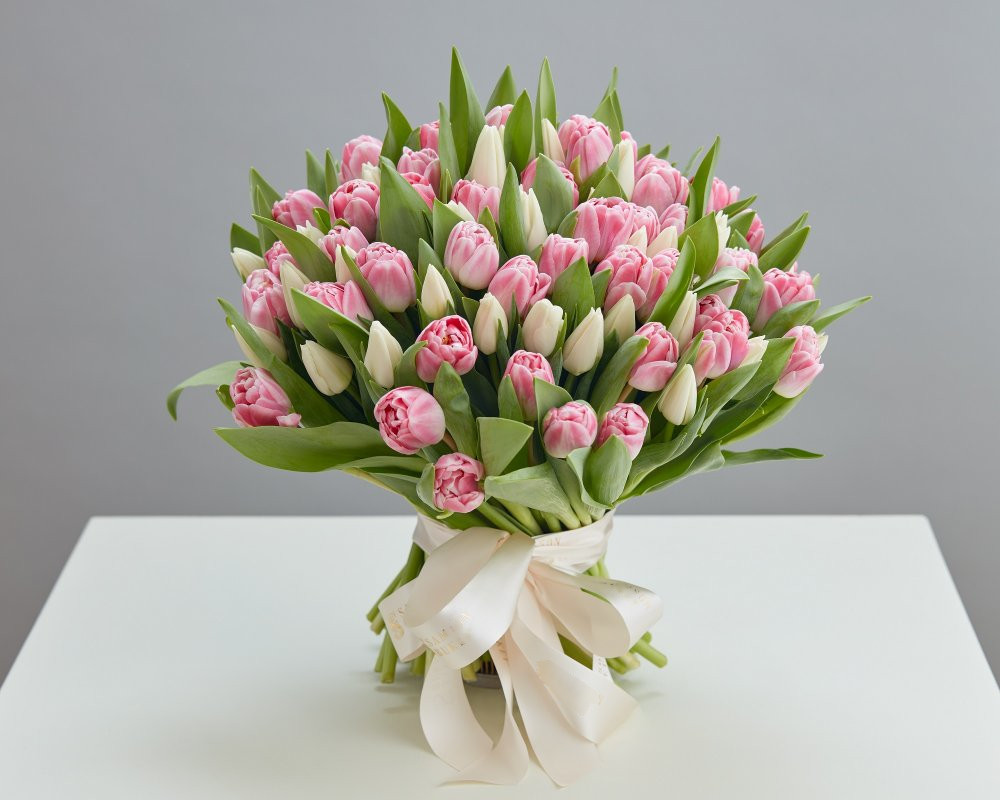
Spring is a magical time of bold, bright colors and fresh scents, from tulips to fragrant lilacs and elegant, lush peonies. The variety of spring flowers is simply breathtaking. Unfortunately, this is likely the most dangerous season for allergy sufferers, as allergy symptoms tend to worsen during this period.
Pollen is the most common cause and main culprit of floral allergies.
Pollen is a powdery, dry, lightweight substance produced by trees, flowers, grasses, and weeds, aiding in their reproduction. It consists of individual pollen grains containing male gametes. It can be spread by insects or dispersed by the wind. Wind is a common carrier of pollen grains.
Flowers pollinated by insects produce less pollen than those pollinated by the wind and have large, waxy pollen.
The immune system typically protects the body from harmful invasions, such as viruses and bacteria, to prevent illness. In individuals with pollen allergies, the immune system mistakenly identifies harmless pollen as dangerous. The body creates an immune response that triggers a cascade of reactions, releasing the body's own mediators, such as histamine, to combat it. This process is called an allergic reaction, with pollen being the allergen that triggers it. Pollen allergy, or hay fever, leads to numerous irritating symptoms: sneezing, nasal congestion, runny nose, teary eyes, redness, coughing, throat irritation, and headaches.
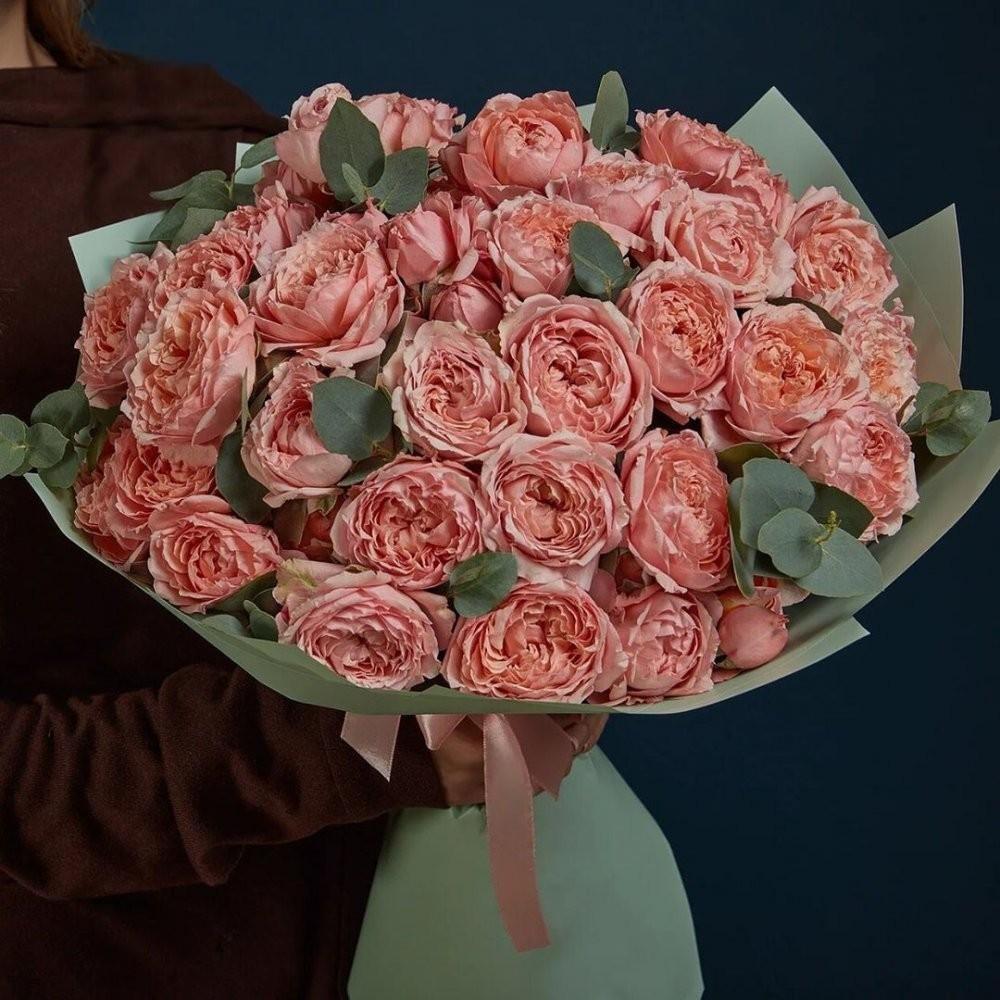
For some people, allergies can significantly impact their lifestyle, especially if they love flowers.
Which Flowers Shouldn't Be Given to Allergy Sufferers
Chamomile in particular, and generally all wildflowers. Gerberas Chrysanthemums Sunflowers Hyacinths Baby's Breath Almost all grasses are considered strong allergens, so it's better not to add rye, wheat, and other spikes to bouquets. It's also advisable to avoid fern decorations.
Modern breeders are working on developing completely hypoallergenic varieties of plants that will not trigger an immune response even with a strong scent. One such flower is the decorative sunflower Capuchino. Large flower shops ensure that their assortment includes hybrid plant varieties with minimal risk of causing allergies.
Plants with a subtle aroma or those that are odorless are considered the least risky in terms of immune reactions. The pollen of hypoallergenic plant varieties is usually heavy, so it hardly rises into the air, and its quantity is minimal.
Hypoallergenic Flowers
Not all flowers release pollen into the air; some plants attach their pollen to insect legs, which further aids in pollination. These types of flowers have dense and sticky pollen.
Orchids - Exotic beauties that produce almost no pollen and have a subtle, non-intrusive aroma, making them suitable even for those with bronchial asthma.
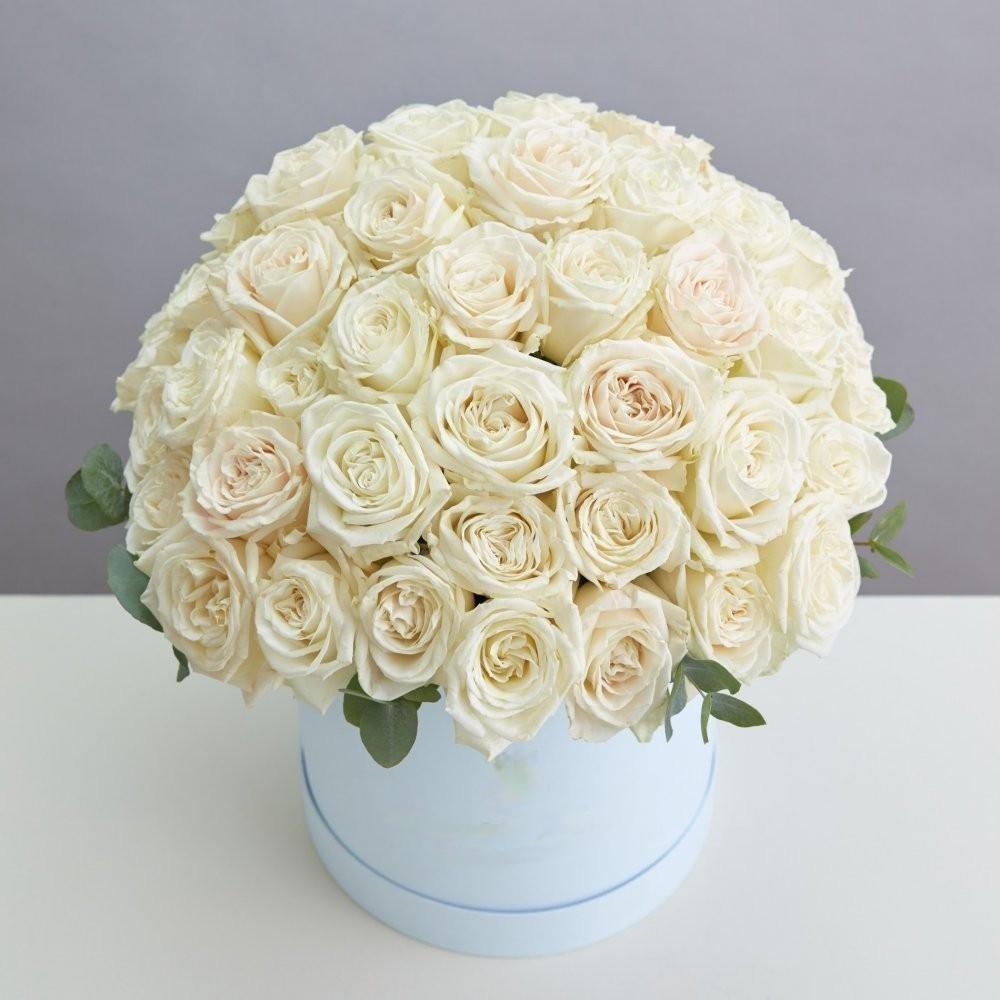 Roses - Despite their strong scent, rose buds have a unique shape that traps heavy pollen inside the flower. Alstroemeria - Also known as Peruvian lilies, these flowers resemble true lilies but are not allergenic: alstroemerias have little to no scent, and the pollen in their inflorescences is minimal, making them safe for allergy sufferers. Eustoma (lisianthus) - Flowers resembling roses with a light fragrance. Eustoma buds are airier than rose heads, but the pollen at the base of the flower is large and heavy enough to prevent it from rising into the air. Tulips - The cups of these flowers with a subtle aroma contain almost no pollen, making them suitable for allergy sufferers. Daffodils - Like tulips, they have almost no scent and pollen.
Snapdragons - a safe choice for those suffering from hay fever, as the tightly closed buds minimize pollen release.Don't let allergies spoil your spring mood!